Twelve gigabytes of VRAM
That number could decide whether you pay an AI image generator subscription forever or stop paying it.
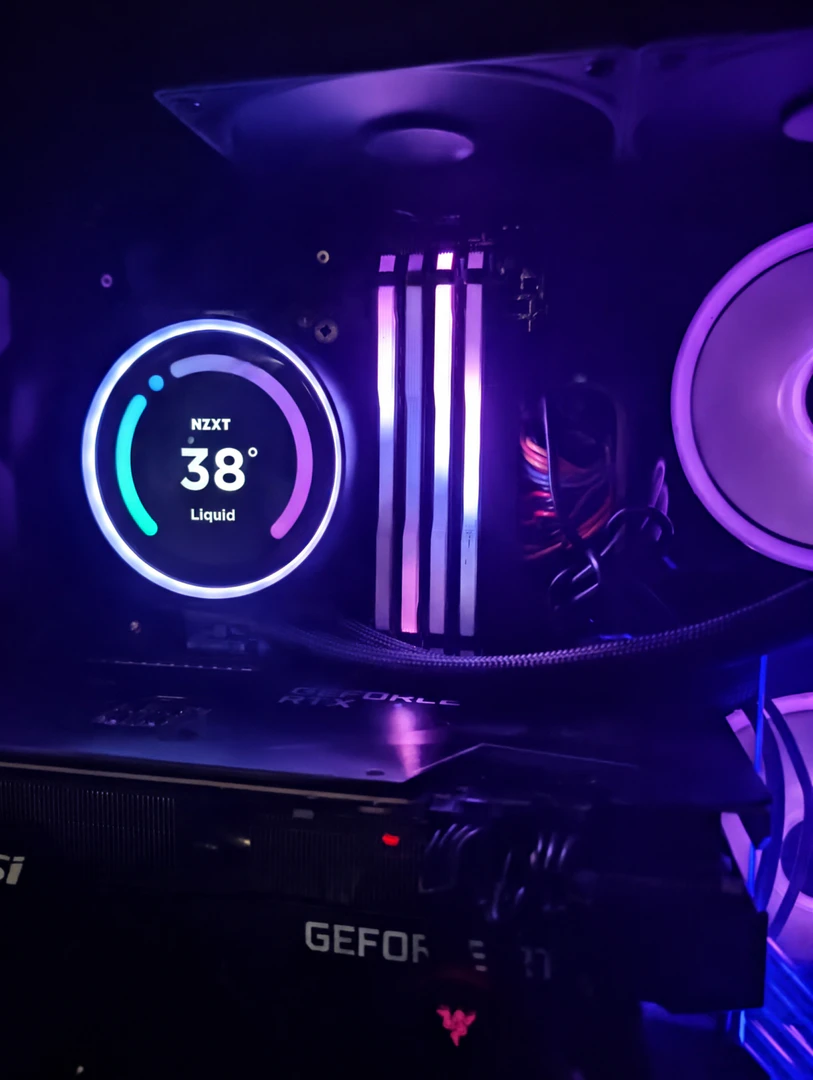
My daily AI machine has a 3080 Ti with 12GB of VRAM and 64GB of system RAM. It isn't a flagship and it isn't new. It runs Z-Image Turbo inside SwarmUI without complaint.
A web generator (Midjourney, etc. etc. etc.) bills you every month with no end date... forever. A workstation you build once keeps working, and it stays private. When a better model comes out, you swap the model instead of the machine.
Look... go to Amazon and look for PCs that have an Nvidia RTX card with a minimum of 12GB of VRAM (that's the sweet spot).
Prices start around $1,700. Every build I'm looking at right now has an AMD Ryzen 7, at least 16GB of system RAM (I'd bump it to 64GB if you can, and a GPU with 12GB or more of VRAM. Get that setup, and say goodbye to your subscriptions for generating images.
The part that surprised me
I run image generation through SwarmUI inside Stability Matrix, and Z-Image Turbo is the model I keep going back to.
The old way was Labs || 002.... jump to that post if you want to time travel a bit. 2am sessions, a bigass sprawling ComfyUI graph, a stack of heavyweight LoRAs to kill that plastic AI sheen, and hours of nudging one weight by 0.05 before a face stopped looking wonky and ai-airbrushed. Z-Image Turbo gets most of the way there in a fraction of the time. Man oh man... I just didn't expect the gap to be that damn big, and I'm so pleased with ZIT (Z-Image Turbo).
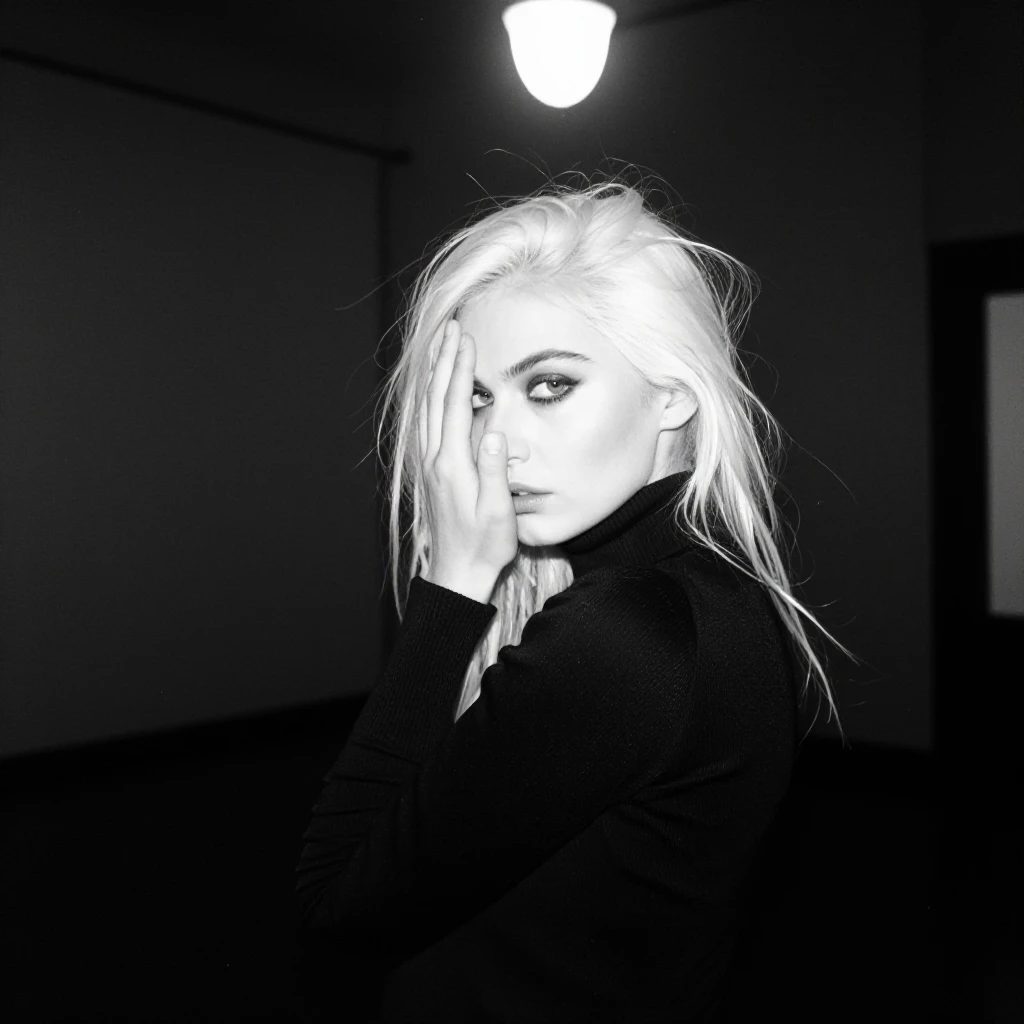
The first prompt that really did it for me is here. A simple shot of a model in a bare room, with a bare bulb. The fidelity, the vibe, the grain, the strength of the image... so cool. And here's the best part. Repeatable. Adherence to the original prompt is super tight.
Don't get me wrong... the craft is still there. Prompting, negative prompts, and knowing your tools all still matter, but I'm telling you... the starting quality and the speed is so much better now.
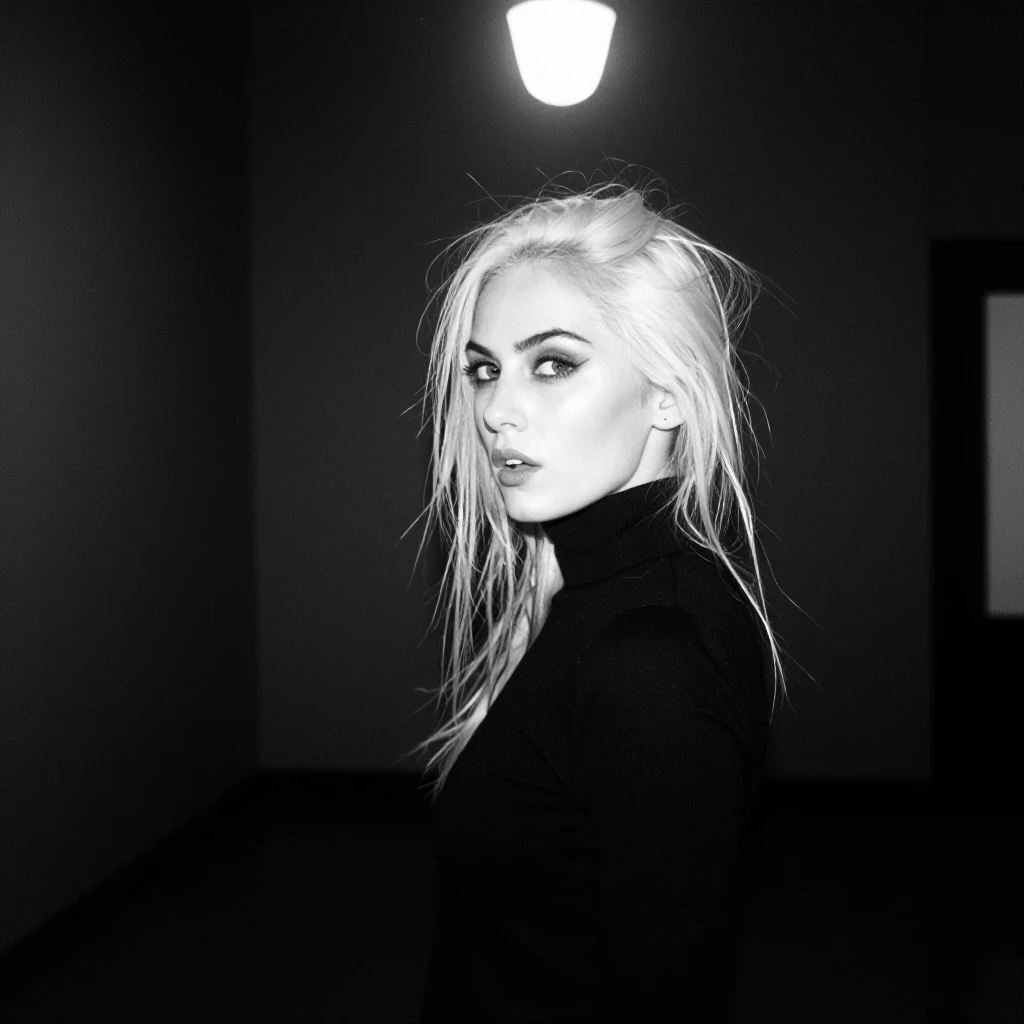
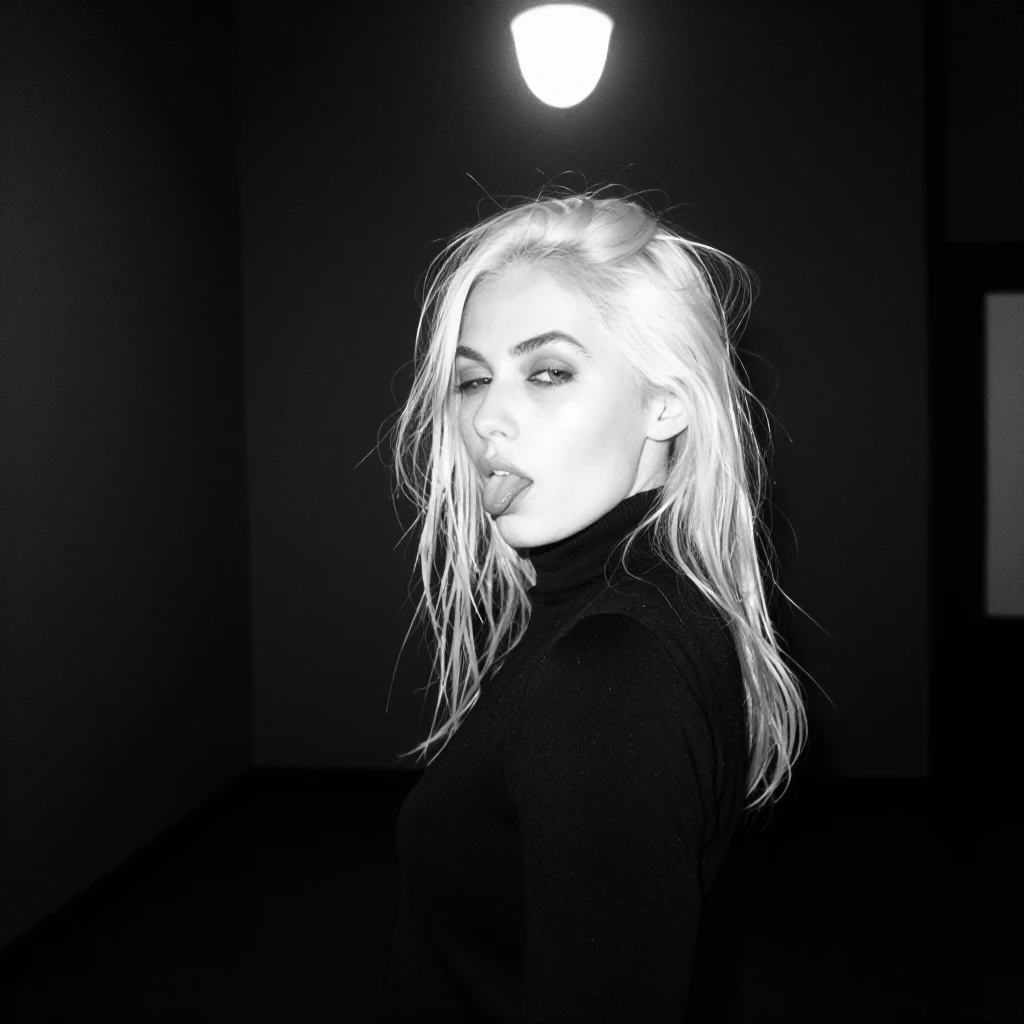
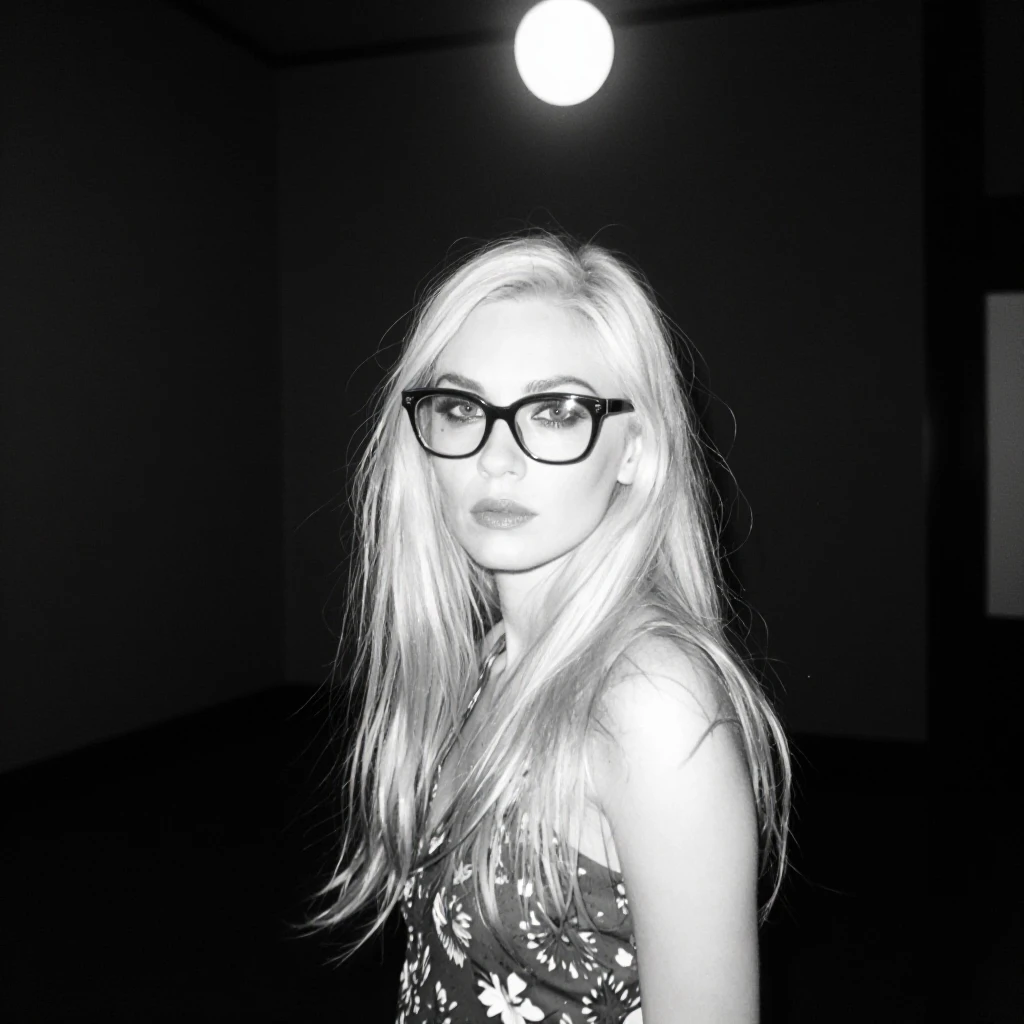
PROMPT : candid 35mm black and white film photograph, beautiful woman in her late 20s with sharp angular features and high cheekbones, deep-set eyes with slight shadows beneath, wearing thick rimmed black framed glasses, long white hair falling around her face slightly disheveled, pale clear skin, flower dress, slim build, looking directly at the lens, cool unreadable expression,, single bare overhead bulb creating soft top-down lighting and gentle shadows under cheekbones, plain dark room with bare walls, harsh flash slightly overexposing skin, off-center composition with figure in right third of frame, shot on expired Kodak Tri-X 400 black and white film, high contrast, deep blacks, heavy grain, scratches on negative, late 1970s European art film aesthetic, beautiful and severe but not wrecked, restrained
What it's good for
Concept work. texture, testing a lighting direction, mocking up a persona before anyone commits budget, seeing ten directions before lunch. Nothing leaves your machine, so client references never touch a third-party server, and no usage cap (oh man... running out of credits or tokens SUCKS when you're on a roll) or queue gets a say.
Look... it's still just a tool. I'm sticking to my story. This doesn't replace photographers, models, or directors. What changed is where the tool lives and what it costs to use. Local can be better... sometimes WAY better after the initial investment.
And of course, I've got some cheat codes
It's not rocket science, but it takes a lot of time to get it right. Practice makes perfect. It's nice that you can practice on a local machine without burning through credits, or topping up.
Using Claude Pro for advanced prompting within ZIT has been awesome. One of the things I love to do is to have Claude run an assist on my prompting, adding a lot of context and deep description directly related to my desired output. It's a total game changer.
Simply asking Claude to write me a prompt that has ZIT best prompting practices is a great start. Use your imagination - there are lots of ways to get the prompts tighter without a lot of overhead, especially with some training.