at·el·ier
/ˌadlˈyā,əˈtelˌyā/
noun - a workshop or studio, especially one used by an artist or designer
Hey, it's the Arcworks Labs! This is the space where we move past the "if" and focus on "what happens next." Our first concept merges the intricate hand-stitched dreams of haute couture, with the impressive power of generative AI. This isn't just about being a fan of the creativity of fashion; it's a deep look into the future of image interpretation by AI platforms, accuracy, prompt building, and production strategy.
Why choose haute couture? Some would argue it sits at the absolute peak of design. In this space, the concept of a budget disappears. The true constraint is the limit of the designer's imagination. I wanted to test if the one of the world's most creative, artisanal crafts could get a meaningful boost from a fresh technological tool. This experiment helps us explore how a smart blend of prompt strategy and creative technology can mix to produce something entirely new, pushing boundaries no single designer could reach alone.
How We Ran The Digital Atelier Experiment
Our process was simple: play. I spent several weeks acting as digital "design director," feeding the AI diverse and specific prompts. I was aiming to prompt the generative tools on key aesthetic movements within high fashion, and describing the images that I had collected from research, without ever using any designer's name.
We didn't just stuff a prompt with related keywords. We focused on the work of highly referenced designers to establish a strong visual vocabulary (again, without mentioning their names, but just textually describing their work through different prompts.
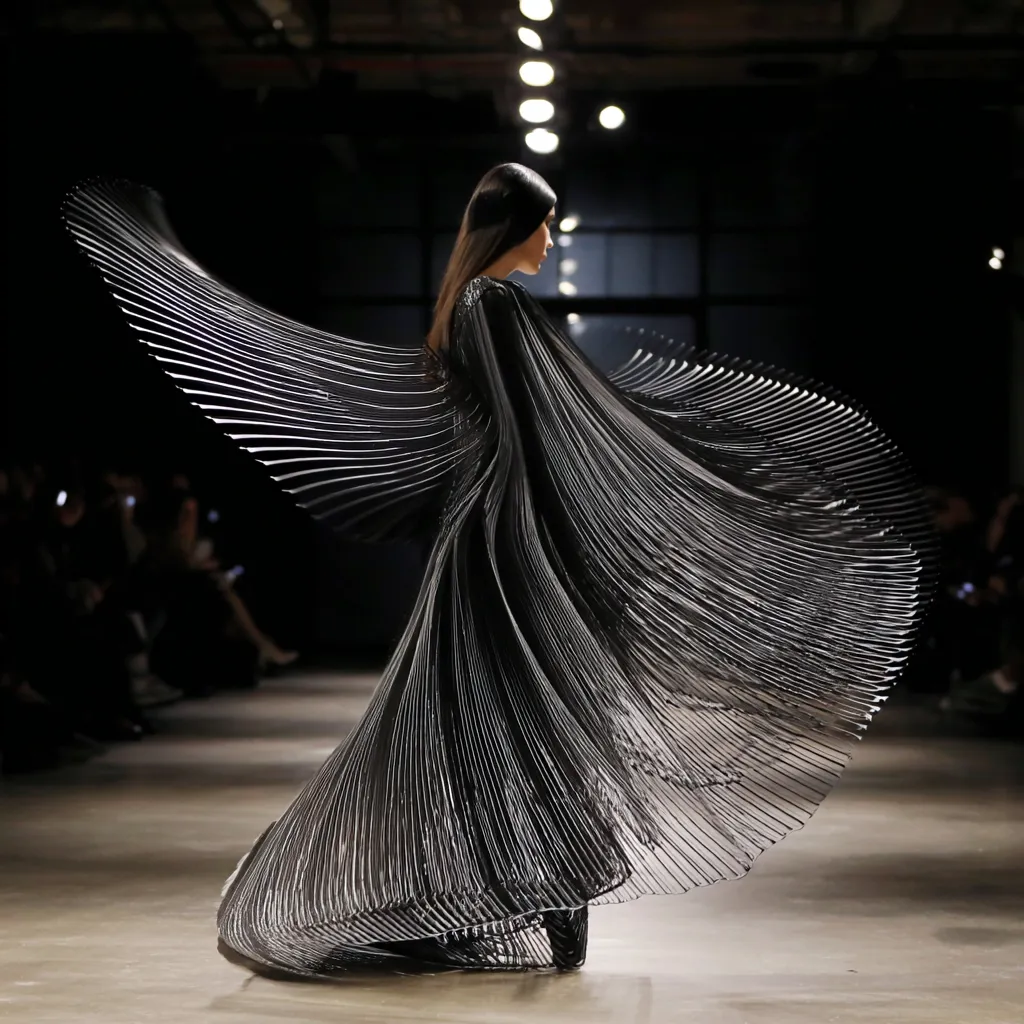
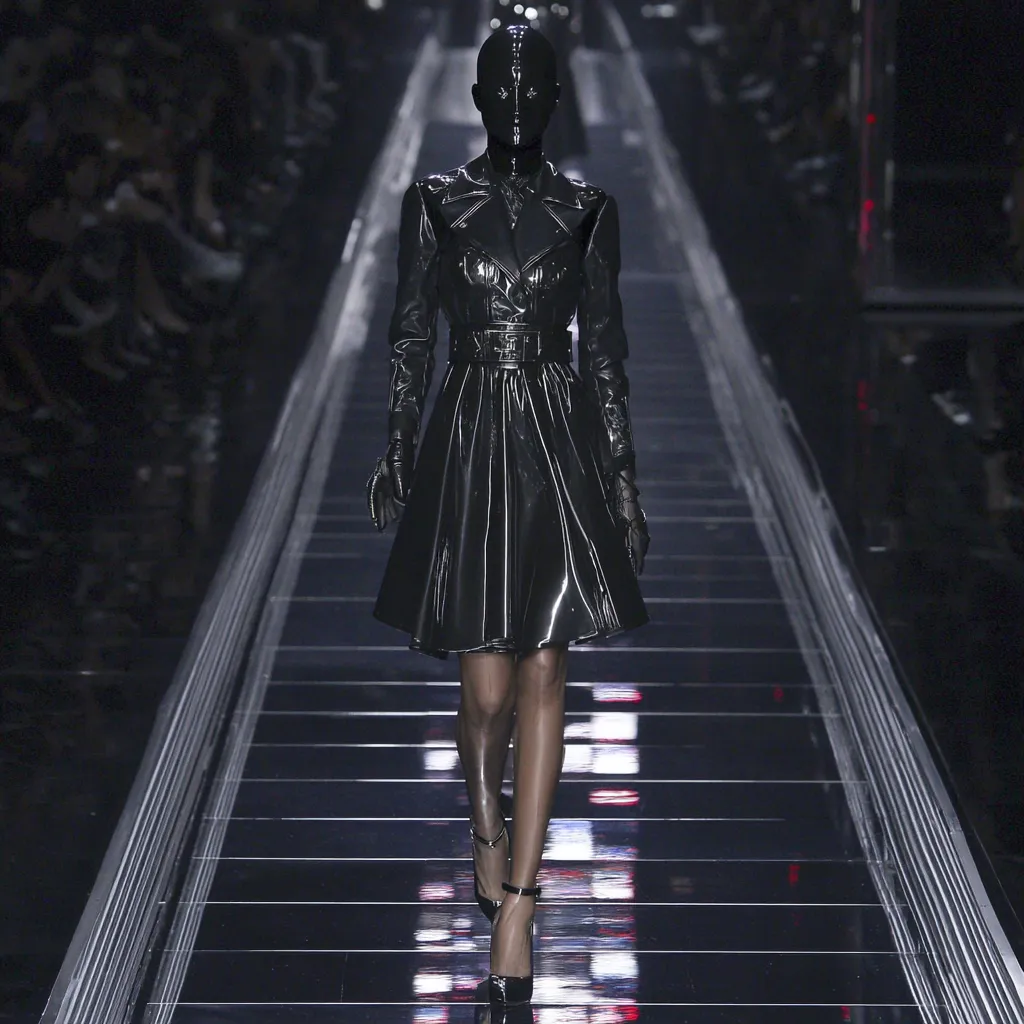
We included written interpretations of the beautiful silhouettes found in Iris van Herpen's work. She is known for fusing technology, science, and art into her garments, making her a perfect technological counterpoint.
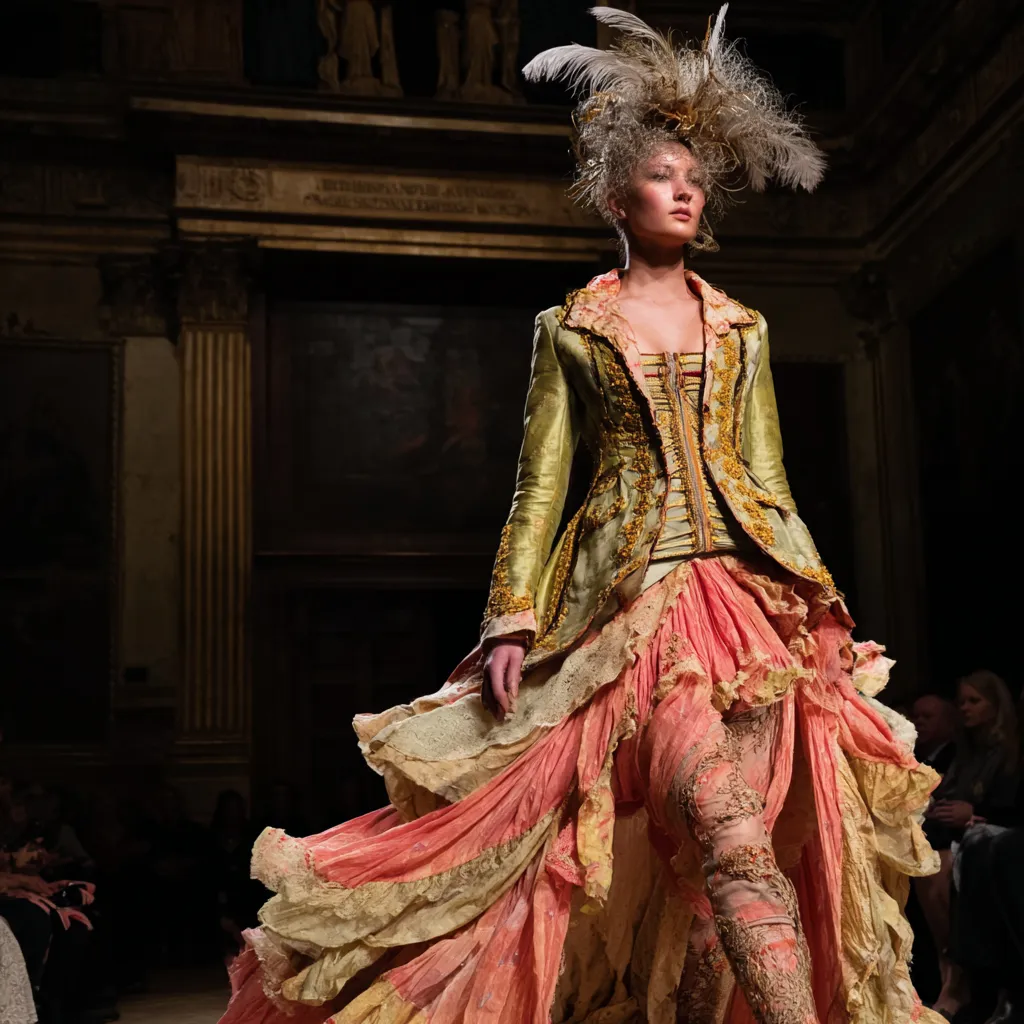
We incorporated the sheer dramatic flair and storytelling seen on a John Galliano runway. We pushed the AI toward emotional, theatrical narratives and complex constructive prompts.
The goal was to produce finished stills and images that felt completely ready for a Parisian runway, yet originated purely from a prompt window. I didn't want simple illustrations. The AI was forced to rigorously test the boundaries of shape, texture, and creative adjectives... could the machine genuinely internalize and speak the language of high fashion design?
The Unexpected and Actionable Results
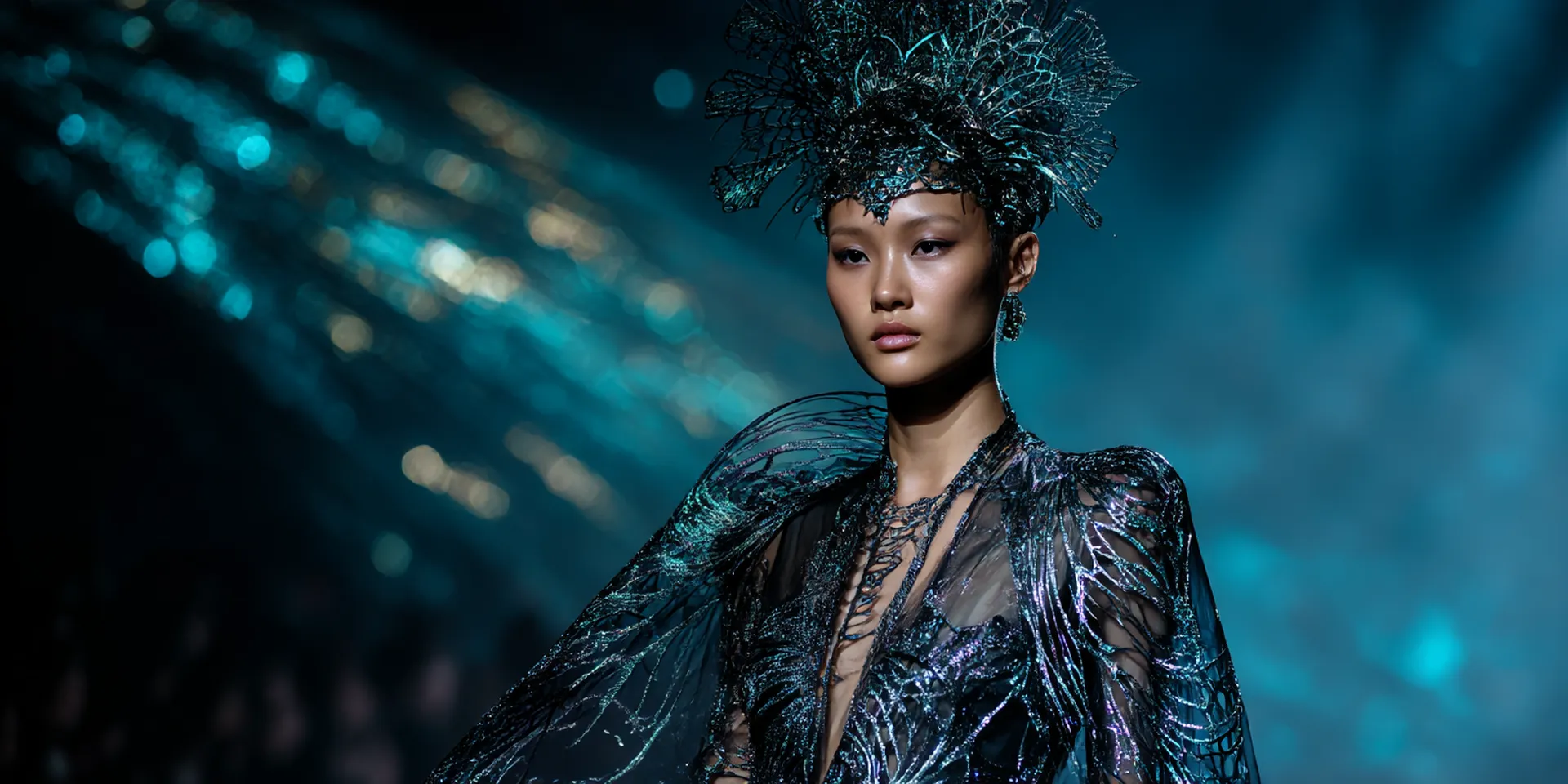
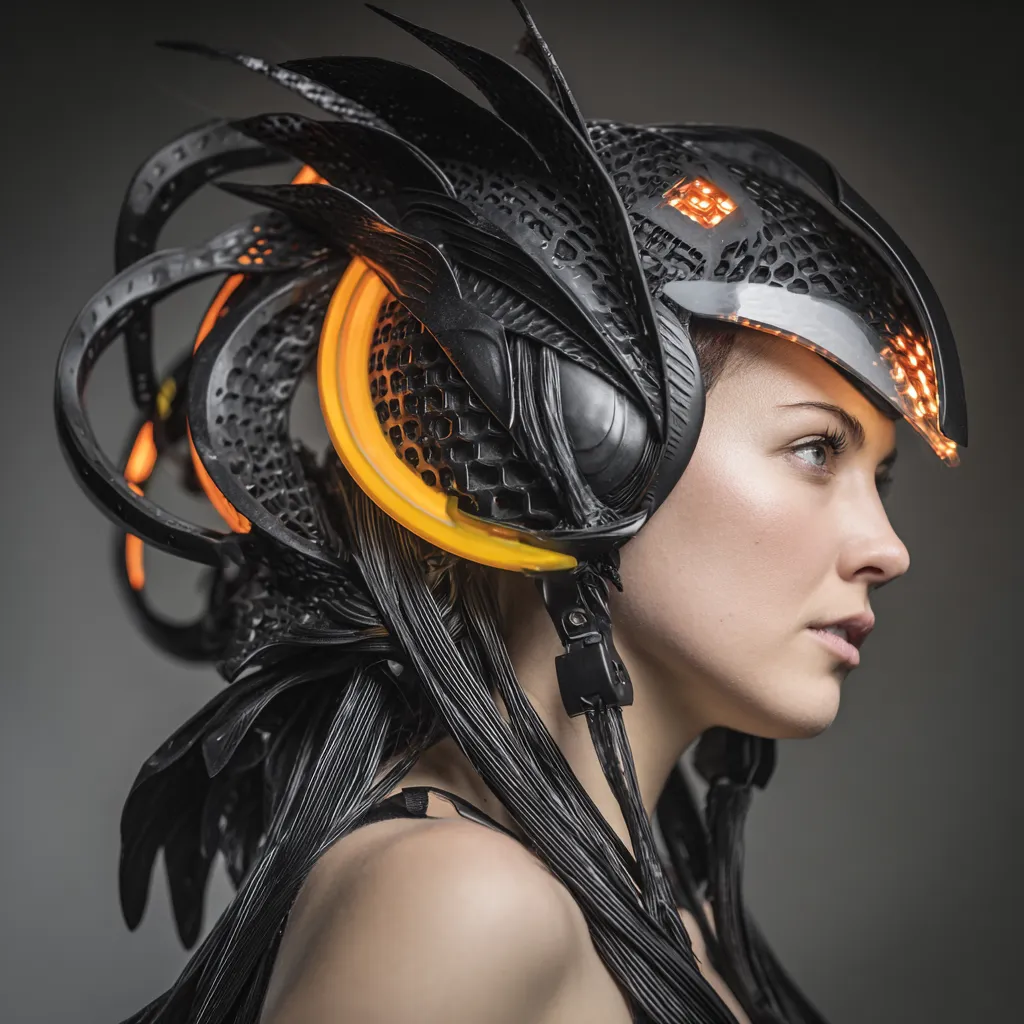
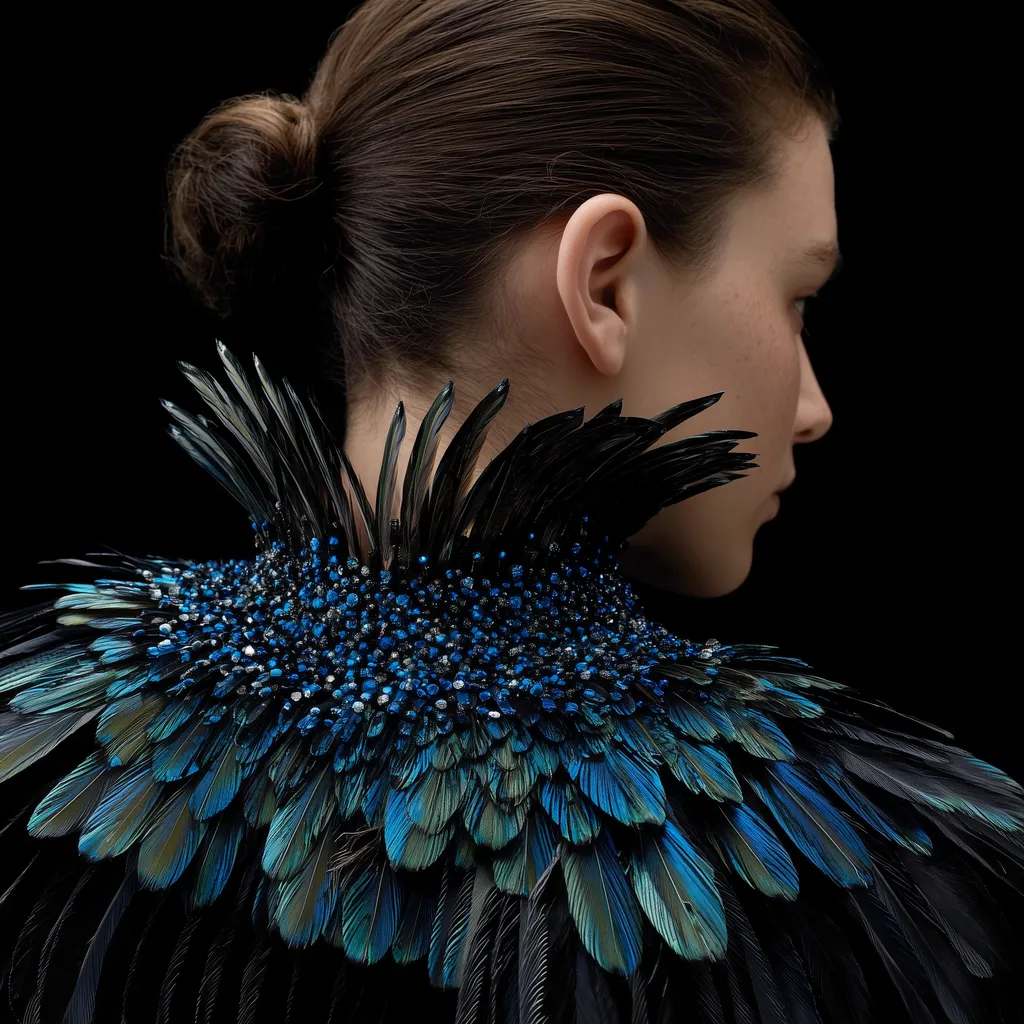
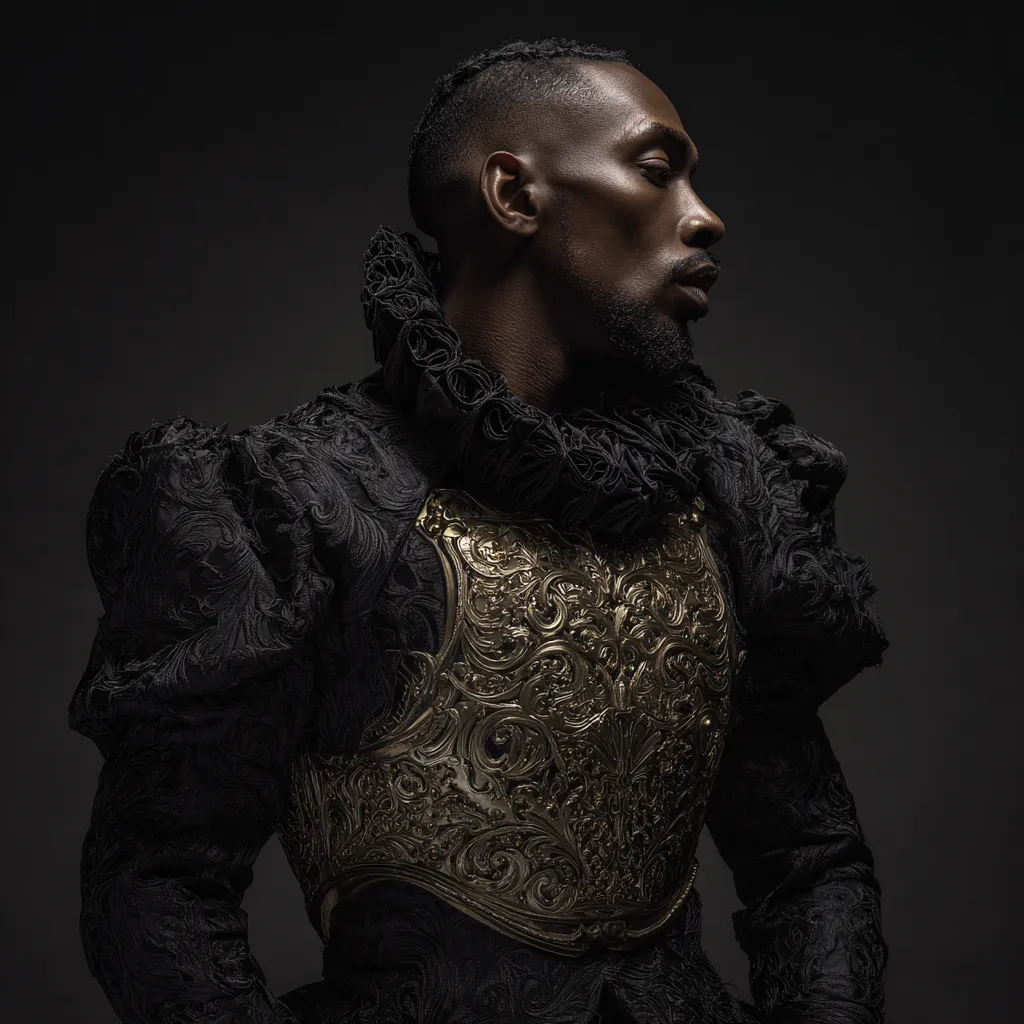
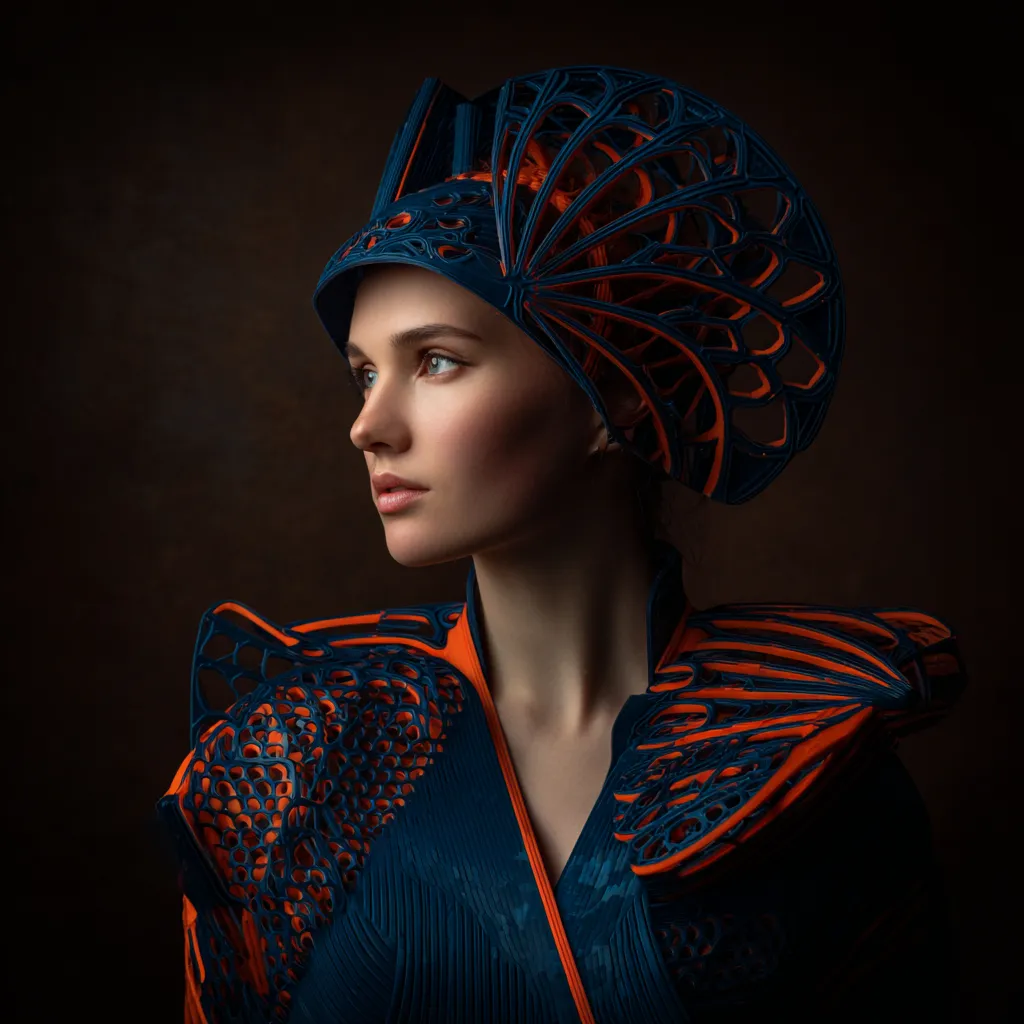
The creations that came out of the machines were surprising, challenging, and often breathtaking. They formed a collection of fantastical concepts that leaned into supporting the fundamental idea of what qualifies a garment as "couture"... incredible patterns, wild fabrication, and elegance.
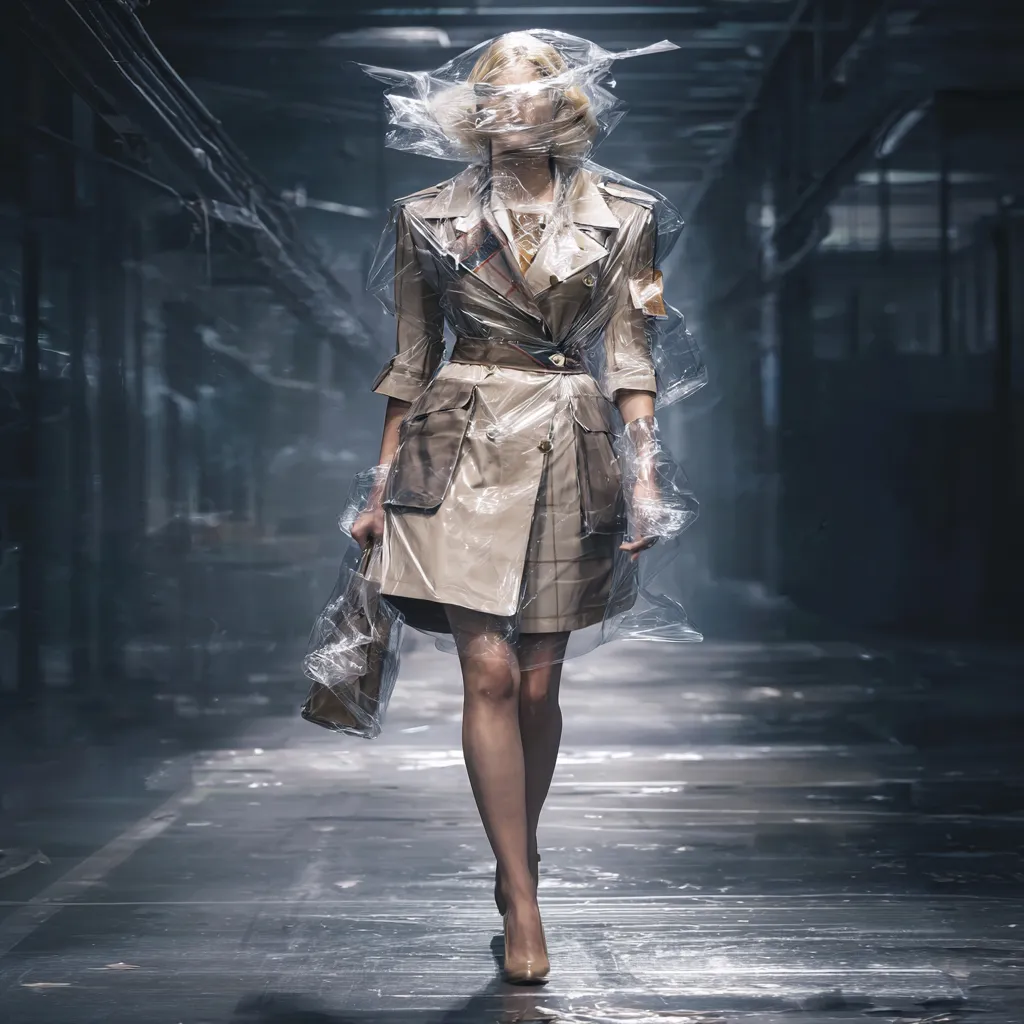
The images were a potent mix: beautiful construction, bizarre material concepts, and flashes of brilliant, undeniable design. Different locations, runway, street, empty studio seamless backgrounds... but it took a while to get there.
Here's the key takeaway for you: and again I say... AI will not replace the designer. Instead, it functions as a tireless, and hyper-efficient moodboarding intern. If you automate and manage it with agentic instruction (this comes later), it can potentially visualize and refine a thousand wild design ideas overnight... something physically impossible for a human team.
At the end of the day, though... it only really ends up being the beginning.
This can help your iterative and creative process, and it's something to explore:
Rapid Prototyping: Designers gain instant access to countless shape and material options before (or as) a single sketch is made.
Boundary Testing: You can push materials and silhouettes past physical limits to find genuinely new designs.
Visual Strategy: It gives strategists a powerful tool to quickly visualize and test entire creative narratives or brand aesthetics.
How could GenAI image accelerate your team's design timeline and output?
Hmmmmm. ..think about the time you save by going from concept sketches to high-fidelity visual concepts on the fly. You're able to create unique and hyper-focused moodboards without having to scour a bajillion websites and spending countless hours on website Google images deep dives. Inspiration on tap, based off of a solid prompt methodology. Cool stuff.
Key Designer References:
Iris van Herpen: beautiful, inspring work, she's known for her technology and science-infused couture.
John Galliano: Dramatic flair and theatrical storytelling.